
What’s changing in 2026 for brand building
Before we start, a little challenge for both of us.
I wrote this piece without the help of AI. Not because I’m anti, but because it’s a central part to the ideas in this piece.
Can’t lie, it took me a while.
You? I’m challenging your attention span to stick with it. No shortcuts.
I’m sure reading more was somewhere on your new year’s resolutions ;) Let’s go!
The brand basics
Before we jump in it’s important we’re on the same page about ‘brand’. Here’s my quick explainer…
A brand is the look, feel and expectations people associate with your business. You’re building it from the moment you launch and if it’s done right, it’ll bend reality and timelines of your sales.
Your product is your business.
Your brand is what sells it.
1. Having a POV [point of view]
Community was a big word last year. For so many founders it doesn’t really fit in their business plan. I also think it’s not 100% right. When people talk about wanting community I believe they want ‘belonging’.
They don’t just want human interactions and groups, they want their pov or voice validated. They’re seeking out unfiltered opinions and voices that make them feel “seen”.
Between two people selling the same service they’re choosing by how ‘seen’ they felt. It’s your brand strategy. What’s the one idea everything is wrapped up in that would make them choose you.
That “you get me” feeling is so much more powerful than colours used consistently or a nice logo. There’s a rise in personal taste and consuming from smaller businesses we trust and believe, use it to your advantage and tell your audience how you “see them”.
Point of view recommendations
What’s your POV on your work?
What do you care about and why?
If you can’t wrap it up in a few sentences and how it helps your customers feel seen you need to get on that asap.
AI in the creative process is being rejected (still very much fine to streamline and automate things) so show your pov in as authentic or refined way as you want.
Examples:
1. LORE perfumes kill it with pov content. Weird and wonderful like them.
2. Hermes commissioned artists to create to match their pov that care is not an extra step in the process, it is the process.
Depending on the brand your building you’ll know the correct approach.
If you follow a lot of trends on social media, step back. Your audience wants to know your pov. This is considering if you want to function at the highest end of your niche and not be bound by hourly rates and linear paths.
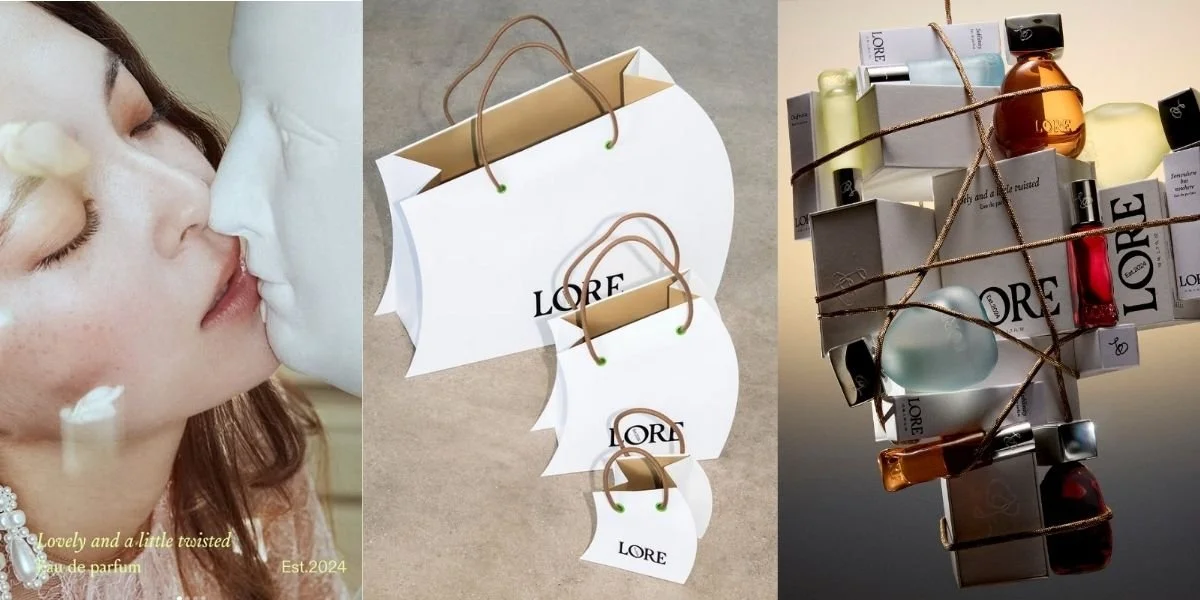
images sourced from lore instagram https://www.instagram.com/loreworld/
2. Longer Form Content
2026 feels very different.
We’re sick to death of outragey shouty 30 second content. I’m exhausted by it. I now have a 30 minute per day limit on all social apps combined so I don’t feel like I waste my life and live on a screen saving things I’d like to do. It’s saturated and trust is down and I don’t want to be part of it tbh.
The 2026 move?
Welcome back our nostalgic friend long form content. This isn’t a 2026 trend but a shift in how people consume content.
Long form can be 2-3 minute videos, podcasts, writing, blogs, whatever feels easiest to execute for you or your team. It’s the ultimate demonstration of craft and expertise
And will result in credibility and conversion.
This links with my the last point on ‘having a POV’ but the rise in AI has produced an unexpected side effect: the more businesses use it to produce fast, generic content, the more us mere mortals crave analytical, deeper and longer content.
Having a true documented POV and process to your work makes you harder to replace or copy and compounds your credibility.
All building trust.
Trust = timeline bending.
Long-form content recommendations
Choose a long form content that isn’t saturated in your niche and start. Don’t cancel social, that would be silly, but do it in tandem with it. Leverage your strengths and make your short form work with your long form.
3. Brand world building
We’ve established that people want to know your pov and they want deeper content. Let’s bring it together with number three.
Brand world building is about expanding past social media and building an identity someone wants to step into.
It’s not running an event with logo splattered on everything. It’s about smaller connection points that make a person stop and go…
“oh, that’s special/caring/tasteful./different and I care a little bit more than I did”.
It’s a way to bring your brand into the world beyond social media. It’s in all your touch points for the whole client experience with your story or pov told with them.
Brand world-building recommendations
How your staff act, the culture of your company and how they treat customers is KEY. You need to have brand guidelines and training on this or you will lose and it will be expensive and horrible. (So many don’t realise this is part of strategy work, it’s really not about mission statements).
A handwritten note after a project.
Go the extra mile with a creative project. Share the playlist, moodboards etc.
A small gift during a project (I gift clients Cloonkeen candles - a chic, amazing brand that’s made local to me. It gives a sense of of my taste and the care to details and curation we have in the studio).
A follow-up voice note instead of a sales email.
The more expensive packaging option for your e-commerce experience.
Handwritten packaging notes.

images sourced from cloonkeen.com
Branding in 2026 conslusion
All three points I’ve laid out work together as you build and are things you’re already doing if you’re building a business. They’re low-hanging fruits with BIG impact. They’re not the most out there predictions for what’s important in 2026 but it’s what I see on the ground working in brand day in day out.
There’s no 5 step framework or viral strategy.
But that’s kind of the point. It’s centring us back to the brand and not quick wins.
Thanks for sticking around until the end.